
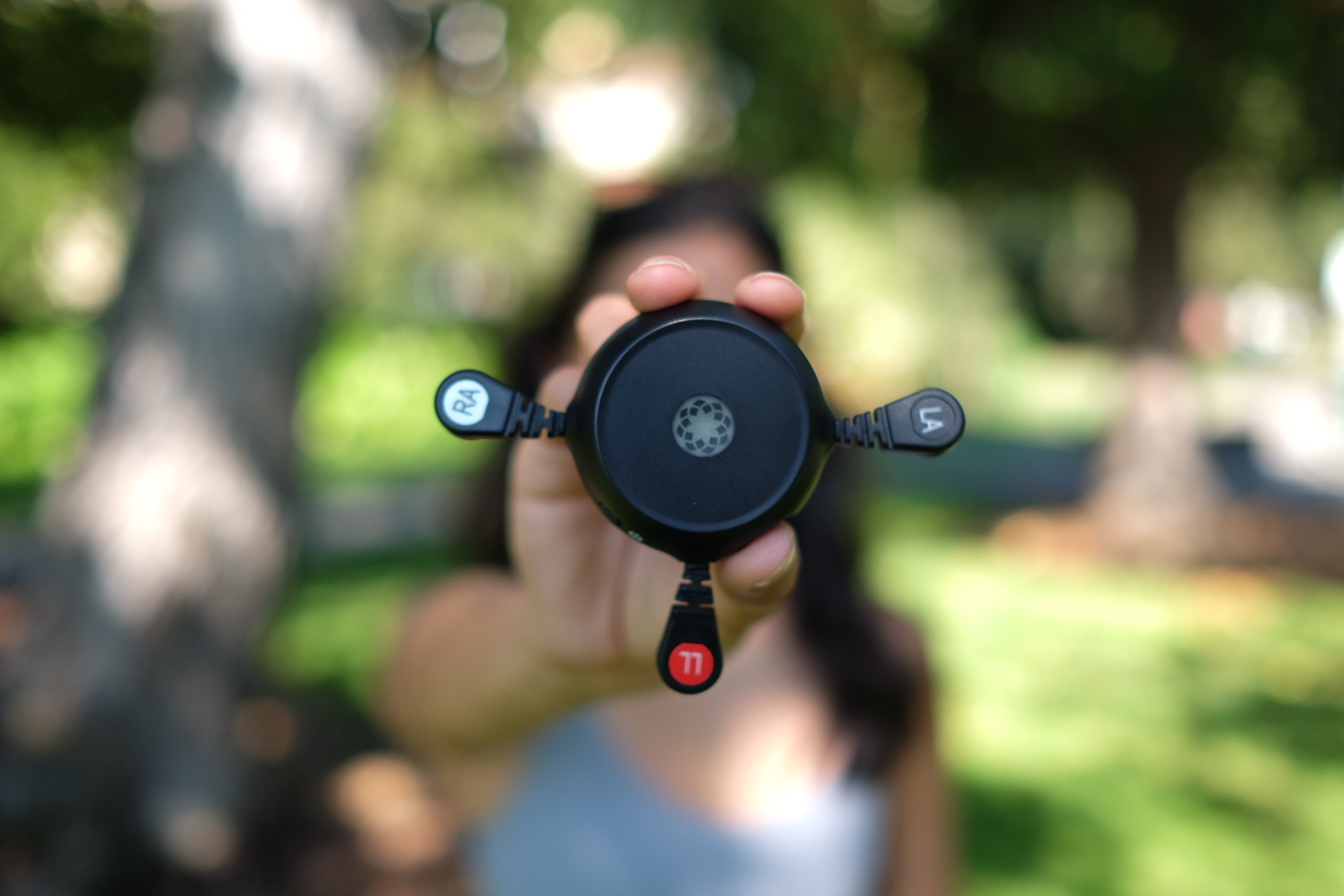
The heart plays an important role in the functioning of your body, and heart issues can affect other organs. For example, atrial fibrillation, the most common type of irregular heart rhythm (or “arrhythmia”), can increase the likelihood of stroke. In fact, 1 in every 10 strokes is attributed to atrial fibrillation!
An in-clinic EKG is a valuable tool, but it has one major limitation: it captures only a brief snapshot of your heart’s activity. Most heart issues occur unpredictably, often outside the doctor’s office. That’s why long-term, continuous monitoring has become the gold standard for catching early warning signs before they turn into serious problems.
Companies like Biotricity are leading this shift. By delivering advanced remote monitoring and diagnostic solutions, Biotricity empowers providers to track heart health outside of the clinic, over days or even weeks — offering a far more complete picture of what’s really happening. Today, thousands of clinicians across the U.S. trust Biotricity technology to help them detect issues earlier and intervene faster, ultimately improving patient outcomes.
What Is an EKG and How Does It Work?
Every heartbeat produces an electrical signal that can be captured and analyzed using an EKG, or electrocardiogram. When that electrical pattern changes, even slightly, it can be a sign of potential heart issues.
Traditionally, EKGs are performed in clinical settings, like a doctor’s office or hospital. EKGs are limited, offering only brief, minutes-long snapshots of your heart’s electrical activity. While useful, these short recordings can easily miss issues that occur sporadically throughout the day when you’re not with your doctor.
Biotricity bridges this gap with advanced heart monitoring devices, like Biocore Pro and Bioheart, which are designed for continuous long-term wear. Lightweight, compact, and comfortable, Biotricity’s devices are designed to seamlessly fit into daily life, so you can work, sleep, and go about your routine while reassured that your heart is being monitored 24/7.
- Every heartbeat produces an electrical signal that can be captured and analyzed using an EKG (electrocardiogram).
- Changes in the heart’s electrical pattern, even minor ones, can indicate potential heart issues or arrhythmias.
- Traditional EKGs are performed in clinical settings, such as a doctor’s office or hospital, and provide only brief snapshots of heart activity.
- Short, episodic recordings may miss intermittent heart issues that occur outside the clinic, limiting early detection.
- Biotricity’s advanced heart monitoring devices, like Biocore Pro and Bioheart, offer continuous, long-term monitoring.
- Devices are lightweight, compact, and comfortable, allowing patients to wear them throughout the day without disrupting normal activities.
- Continuous monitoring ensures 24/7 heart data collection, giving physicians a more complete picture of cardiac health.
- By bridging the gap between in-office tests and daily life, Biotricity empowers both patients and clinicians to detect issues earlier and make informed decisions faster.
Why EKG Heart Rhythms Matter
Every heartbeat is controlled by an electrical impulse that travels through the heart’s chambers in a coordinated sequence, or rhythm. When this rhythm is disrupted, it can indicate potential issues such as atrial fibrillation, tachycardia, or bradycardia. These conditions may be silent at first, but can become very serious over time.
By analyzing EKG heart rhythms, healthcare professionals can determine whether the heart is beating too quickly, too slowly, or irregularly, helping them identify conditions that could pose an issue later on, even if you have no noticeable symptoms.
Understanding these EKG heart rhythms is essential for the protection of your long-term cardiovascular wellness. With early insights, physicians can intervene sooner, recommending treatments, medication adjustments, or lifestyle changes that can help prevent conditions from worsening.
Modern Advances in EKG for Heart Monitoring
In the past, it was only possible to get an EKG test in a healthcare facility. However, over the years, we have witnessed significant improvement in remote patient monitoring solutions, which enable clinicians to monitor individuals out of the hospital or office. Companies like Bitoricity stand out in this evolution.
Biotricity’s innovative wearable heart monitoring devices, like Biocore Pro, enable healthcare professionals to capture data over extended periods — not just for a few minutes, but for hours, days, or even weeks. This continuous view provides a far more accurate picture of a patient’s heart activity, helping catch issues that traditional, in-clinic EKGs often miss.
The Role of EKG in Preventive Heart Care
The more information we collect over time, the more likely we are to catch heart issues. Short 1-2 day tests or in-office EKGs can provide helpful snapshots, but many cardiac issues don’t happen on a schedule. They occur sporadically, like overnight, or during increased periods of stress, or even while you’re going about your daily activities.
If we only record a short window, we risk missing the very events we’re trying to detect. By extending monitoring to several days or weeks, clinicians gain a far richer, more accurate picture. Subtle rhythm changes may not cause noticeable symptoms, but they can serve as early warning signs of developing heart disease. Catching these signals early enables timely evaluation and intervention, leading to better outcomes and improved long-term health.
Preventive care is shaping the future of healthcare, and companies like Biotricity are at the forefront by making continuous, extended-duration monitoring accessible and easy to integrate into everyday life.