
Healthcare doesn’t usually change overnight. More often, it evolves gradually until a new standard of care begins to take shape. Remote cardiac monitoring is on that path, with steady advances in technology, connectivity, and patient accessibility reshaping how heart health is managed.
Today, tools like a home cardiac monitor and a cardiac telemetry monitor are already playing an important role in cardiac care, particularly for individuals who need extended observation outside of the doctor’s office or hospital. Over the next decade, it is expected that these tools will become even more integrated into routine care, helping providers move from isolated, short assessments to more continuous, data-driven decision-making.
Ongoing Observation with Remote Cardiac Monitoring: Transition from Snapshot Testing
For years, cardiac care has relied heavily on brief testing windows. A patient comes in for an appointment, completes a test, and receives results based on that moment in time. This model does not always capture the full picture. Heart issues happen sporadically and intermittently, or on/off, which means they may not appear during a short office visit with your doctor.
That is why longer monitoring periods matter. Instead of relying on isolation readings, providers using a home cardiac monitor or cardiac telemetry monitor can gather a broader view of a patient’s heart over time. This approach helps reveal subtle abnormalities that might otherwise go undetected!
As remote cardiac monitoring continues to evolve, the focus will shift further towards ongoing observation for earlier detection, treatment planning, and long-term cardiac management.al.
Growing Role of the Home Cardiac Monitor in Remote Cardiac Monitoring
The home cardiac monitor is expected to become an increasingly familiar part of patient care, especially those managing ongoing conditions. For patients, at-home monitoring with a home cardiac monitor or cardiac telemetry monitor offers a more convenient and less disruptive experience. Rather than making repeated trips to a healthcare facility, they can be monitored in their daily environment. This not only saves time, but provides clinicians with more information by capturing cardiac activity 24/7 while the individual goes about their normal routine.
A home cardiac monitor also supports greater consistency in care. Daily or extended cardiac monitoring, like with a cardiac telemetry monitor, can reveal trends and patterns that an isolated test cannot. In many cases, that pattern is what gives healthcare providers the insight they need to make more informed clinical decisions.
Advances in the Cardiac Telemetry Monitor
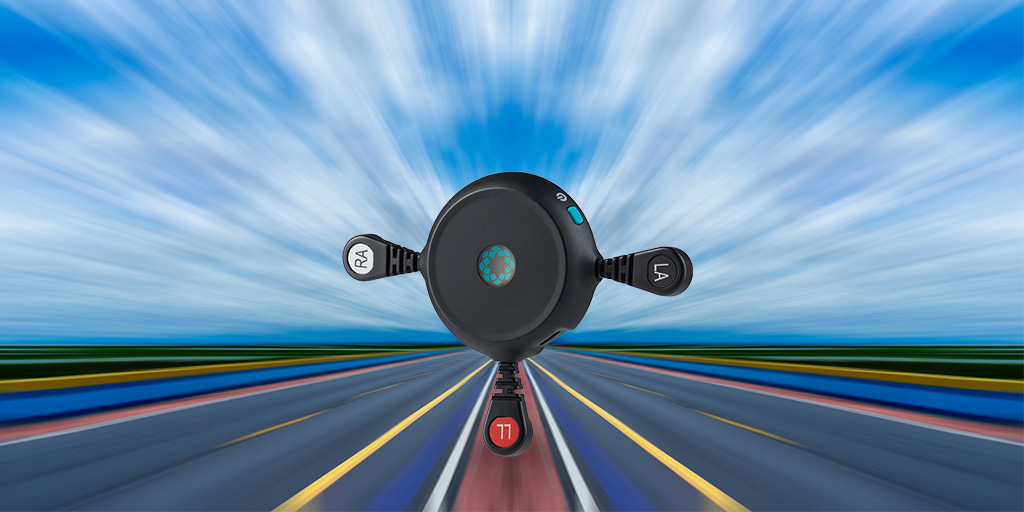
The cardiac telemetry monitor has evolved, making a major difference in usability, efficiency, and patient adherence. These state-of-the-art devices, like the Biocore Pro, are smaller, lighter, and more comfortable for patients to wear for longer periods of time. With improved wearability, patients are more likely to use Biocore Pro more consistently, which can directly affect the quality and completeness of the data collected.
Moreover, advances in wireless connectivity, data storage, and cloud-based access, such as those made by Biotricity, help streamline the process for patients and providers by making it easier to transmit, review, and interpret large volumes of cardiac data in a timely manner.
A More Connected System, Not Separate Tools
Historically, many healthcare tools have operated independently, with each device serving its own purpose, offering limited coordination with other systems.
In the future, data from a home cardiac monitor might increasingly be viewed alongside other health data, such as sleep quality, biometrics, and activity tracking.Rather than relying on a single measurement, clinicians can access broader health trends that may carry greater diagnostic value. When providers evaluate multiple data points simultaneously, they often gain a more comprehensive understanding of a patient’s overall health status. .
This more connected approach, taken by companies like Biotricity, support better care coordination, more personalized treatment strategies, and faster identification of emerging concerns.
Why Comfort and Simplicity Matter
The future of remote cardiac monitoring will not be shaped by clinical capability alone. Patient experience will also play a critical role. Even the most advanced home cardiac monitor and cardiac telemetry monitor devices must be practical and easy to use if they are going to support long term adherence. Devices that are discreet and intuitive reduce friction and improve compliance.
A home cardiac monitor and cardiac telemetry monitor that work quietly in the background and require minimal adjustment are far more likely to remain part of a patient’s routine.
These seemingly small design improvements can have a major impact on outcomes: better adherence leads to better data, and better data supports better care.
Challenges that May Influence Adoption
Although the future of remote cardiac monitoring with home cardiac monitor and cardiac telemetry devices is promising, several challenges are likely to shape how quickly these technologies evolve and expand:
- Data privacy and cybersecurity will remain essential concerns
- Regulatory regulations may affect the pace of innovation and adoption
- Cost barriers could still limit access for certain populations
- System integration varies between systems
Addressing these challenges will be important to ensuring that advanced monitoring solutions remain both effective and assessible.
Conclusion
Remote cardiac monitoring is expected to become a more regular part of healthcare over the next decade. Tools like the home cardiac monitor and the cardiac telemetry monitor may shift from being occasional solutions to more consistent companions in patient care.
The change will not be dramatic all at once. It will happen step-by-step through better device design, stronger connectivity, more usable data, and a greater ability to monitor patients beyond the walls of a clinic or hospital.