
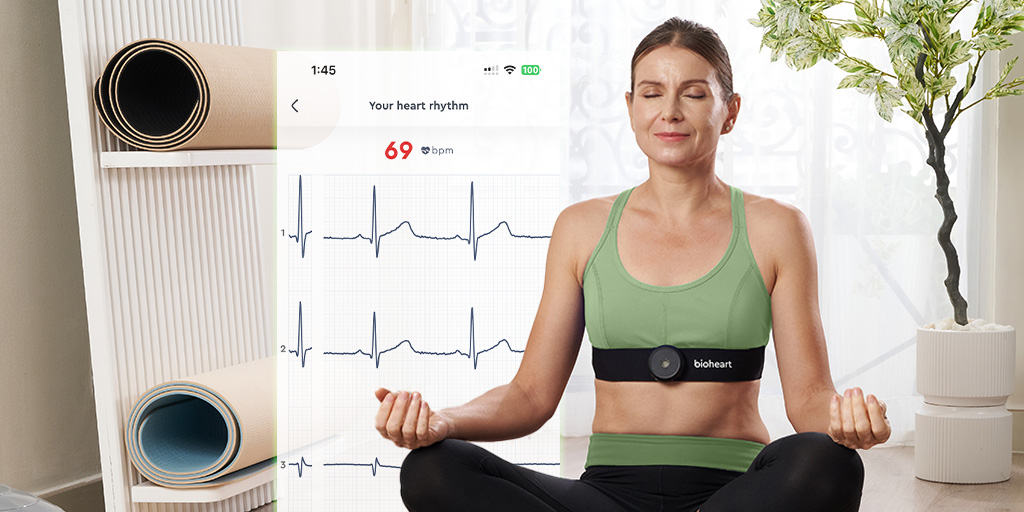
Wearable health technology has been around for a while now, but its role is starting to shift. What was considered supplementary information is now becoming central, especially in the management of chronic illnesses.
Conditions like heart disease, diabetes, and hypertension need long-term attention, not just periodic check ups, for example with devices like EKG heart rhythms monitors. As a result, wearable devices are increasingly positioned to support long-term care by bringing monitoring to the patients home, rather than relying solely on collection in clinical settings.
From Occasional Monitoring to Everyday Presence
Traditional chronic disease management has relied heavily on scheduled visits and periodic testing. While effective in many cases, this approach can miss important changes that occur between appointments.
Wearables are helping shift that model. Instead of capturing isolated points in time, they enable continuous monitoring over extended periods. This is particularly important when tracking EKG heart rhythms. Subtle heart irregularities may occur sporadically and go undetected with short term tests. Continuous data collection with EKG heart rhythms allows for a more complete view of a patient’s health, revealing trends and fluctuations over time that may not pop up during a doctor’s visit or test in the clinic office.
Designing Technology that fits into Daily Life
One of the most noticeable shifts in wearable technology is usability. Early health monitoring devices often felt clinical – bulky, complex, and disruptive to daily routines. Today’s wearables are designed to be lighter, more intuitive, and easier to integrate into everyday life. .
This shift is critical. Devices that require frequent adjustments for comfort or complicated steps are less likely to be used consistently. In contrast, wearables, like Bioheart by Biotricity, operate seamlessly in the background and are discrete in size, making them more likely to become part of a patient’s routine. This evolution supports long-term adherence, which is essential for effective chronic disease management.
Expanding the Role of EKG Monitoring
Wearables are expected to play an increasingly important role in cardiac care, especially through solutions that support EKG for heart monitoring.
Rather than relying solely on in-clinic ECG tests, patients can now use wearable devices that track heart activity over longer durations. This extended visibility can help healthcare providers identify irregular patterns that may not be present during a standard exam.
Wearables are not intended to replace traditional diagnostics. Instead, they enhance them by providing an additional layer of data. For example, a patient experiencing intermittent chest discomfort may not have any abnormalities during a clinic visit, but a wearable monitor could capture data outside the clinical setting in daily life.
By creating wearable solutions, like the EKG heart rhythms monitor, companies such as BIotricity are helping healthcare providers gain more actionable insights, supporting earlier detection and more informed treatment decisions.
A More Connected Approach to Health Data
Another key development is the integration of wearable data into broader health ecosystems. Rather than operating as standalone tools, wearable devices are increasingly connected to platforms that collect and analyze multiple streams of data. .
This means that information from EKG for heart monitoring can be viewed alongside other health metrics, such as activity levels, sleep patterns, and vital signs. When combined, these data points can offer a more comprehensive understanding of a patient’s overall health.
For clinicians, this connected view can support more personalized care. For patients, it creates greater transparency and engagement, making health data more accessible and meaningful.
From Data Collection to Actionable Insight
Collecting data is only the first step. The next phase of innovation in wearable health technology is focused on interpretation.
Future systems are expected to go beyond simply displaying readings and instead highlight meaningful trends. For example, recurring irregularities in EKG heart rhythms may be identified and flagged for clinical review.
This type of pattern recognition can help providers detect potential issues earlier, even before symptoms become more pronounced, offering a more proactive approach to chronic disease management.
Driving Patient Engagement and Adherence
Technology alone does not change outcomes – consistent use does. That is why patient engagement is a critical factor in the success of wearable health solutions, particularly in chronic disease management. If patients engage with wearable devices consistently, the data becomes more useful. If not, even the best device has limited value. When devices, like Bioheart, are easy to use and provide clear, understandable insights, people are more likely to stay engaged.
Challenges That Will Shape the Future
Despite the progress, several challenges remain that may influence the adoption and evolution of wearable health technology:
- Data privacy and security concerns
- Variability in device accuracy and consistency
- Integration limitations across healthcare systems
- Cost and accessibility barriers for certain populations
Addressing these challenges will be essential to ensuring wearable technology can scale effectively within the chronic disease management space.
Conclusion
Wearable health technology is expected to play a larger role in managing chronic conditions. Tools that track EKG heart rhythms and support EKG for heart monitoring may become more common, not just in clinical settings but in everyday life.
This shift will not happen overnight. It will continue to evolve through improved device design, more meaningful data interpretation, and stronger system integration.
Ultimately, wearable technology is not replacing healthcare—it is enhancing it. Companies like Biotricity are making monitoring more continuous, accessible, and aligned with daily life.