
Cardiac monitoring is only as effective as the data it captures. The challenge is not just collecting data, but capturing the right data consistently over time.
When patients remove devices early or recordings are disrupted by noise and artifacts, critical insights can be missed. Compact ECG devices are addressing this gap by improving wearability, supporting consistent use, and enabling higher-quality, more reliable data collection.
The Compliance Factor: Comfort Drives Completion
Traditional external heart monitor systems often rely on multiple wires, adhesive electrodes, and bulky recorders. While clinically effective, they can be uncomfortable and disruptive to daily life.
When patients feel restricted, they are less likely to wear devices consistently. Leads may be removed early due to irritation, or patients may alter their daily activities to accommodate the device. These small disruptions can significantly impact data quality.
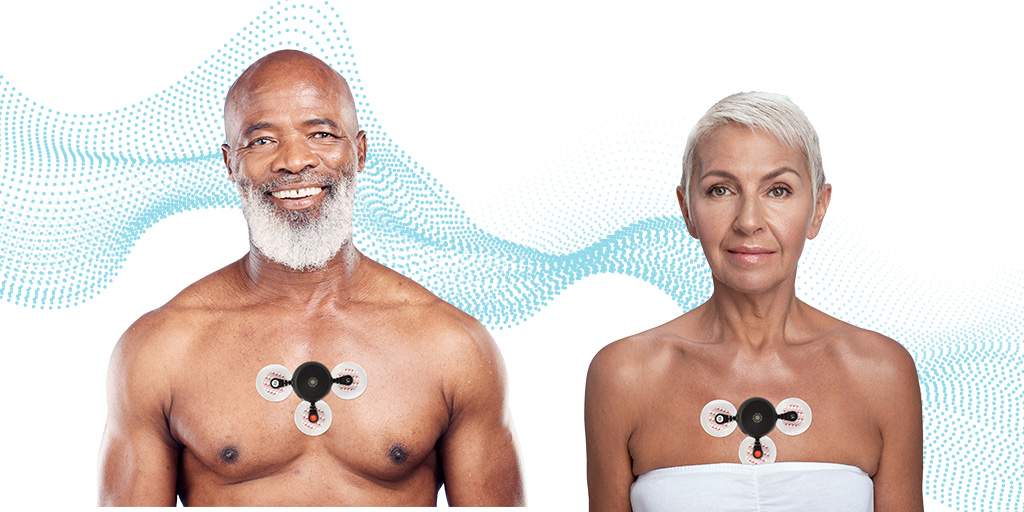
Compact ECG devices address these challenges by simplifying design. Many function as lightweight, patch-based systems that eliminate wires and reduce bulk. As a result, patients are more likely to wear the device continuously—leading to more complete and reliable data.
Continuous Wear Enables Better Detection
Many arrhythmias occur intermittently, making them difficult to capture during short monitoring windows. Compact devices improve patient compliance, which supports longer, uninterrupted wear times. When patients consistently use an external heart monitor, clinicians gain access to continuous datasets rather than fragmented recordings.
Think of it like a security camera—if it is repeatedly turned off, the most important moments may never be captured.
This becomes even more impactful when the device functions as a remote patient monitor, enabling clinicians to track cardiac trends over extended periods. Continuous monitoring increases the likelihood of identifying clinically meaningful events and reduces the risk of missed or delayed diagnoses.
Reduced Motion Artifact Improves Accuracy
Data quality is not just about duration—it is also about signal clarity. Traditional external heart monitor systems rely on multiple connection points, each of which can introduce noise through movement.
Walking, reaching, or even normal breathing can create motion artifacts that distort ECG tracings. These inconsistencies can complicate interpretation and reduce diagnostic confidence.
Compact ECG devices, like those offered by Biotricity, minimize these issues. With fewer components and integrated electrode designs, they produce more stable signals. Less artifact means clearer data, and clearer data leads to more precise clinical insights.
Integration With Remote Patient Monitor Systems
As healthcare continues to shift toward remote care models, the role of the remote patient monitor is expanding. Compact ECG devices are well-suited for this transition because they support seamless data transmission and continuous observation.
Modern systems can securely upload ECG data without requiring manual intervention. This reduces delays in analysis and allows clinicians to review patient data more efficiently.
By functioning as part of a broader remote patient monitor ecosystem, these devices enable:
- Faster clinical review
- Reduced reliance on in-person visits
- Continuous patient oversight
- Improved workflow efficiency
This integration transforms monitoring from a passive process into an active component of care.
Supporting Natural Patient Behavior
Another key advantage of compact ECG devices is their ability to blend into daily life. Traditional monitors can make patients feel self-conscious, leading them to modify their behavior—avoiding activity, limiting social interaction, or reducing exertion.
These changes can distort the very data clinicians are trying to capture.
Compact, patch-based external heart monitor solutions are discreet and unobtrusive. Patients are more likely to maintain normal routines, which results in more accurate, real-world data. This is critical for identifying triggers such as stress, exercise, or daily activity patterns.
Improved Skin Tolerance for Extended Use
Extended monitoring can impact skin integrity, particularly in sensitive or elderly patients. Traditional electrode systems often require frequent repositioning, which can lead to irritation or skin breakdown.
Compact ECG devices help mitigate these issues by reducing attachment points and supporting longer, uninterrupted wear. In addition, Biotricity’s Biocore Pro offers greater flexibility by using standard electrodes—including options designed for sensitive skin—rather than requiring proprietary components. This contrasts with devices like the Spider Heart Monitor, which rely on custom electrodes that may limit adaptability.
Improved skin tolerance leads to fewer interruptions in monitoring, ensuring more complete datasets and more reliable clinical insights.
Matching the Device to the Clinical Need
While compact ECG devices offer clear advantages, they are not a one-size-fits-all solution. Many are limited to a single lead, which can restrict diagnostic depth. In more complex cases—such as detailed arrhythmia analysis or high-risk patients—multi-lead systems may be necessary. Solutions like Biotricity’s Biocore Pro, with its 3-channel (multi-lead) design, provide higher diagnostic yield by capturing a more comprehensive view of cardiac activity.
Conclusion
Compact ECG devices are improving cardiac monitoring by addressing two critical factors: patient compliance and data accuracy. Greater comfort encourages consistent use, while simplified designs reduce motion artifact and improve signal quality.
When paired with remote patient monitor systems, these devices enable continuous observation, better data collection, and more informed clinical decisions. The result is a more effective and patient-centered approach to cardiac care.
Ultimately, the best external heart monitor is not just defined by its technology—it is defined by whether patients are willing to wear it consistently. And in that balance between comfort and capability, compact ECG devices are redefining how cardiac data is captured and used.