
Author: Biotricity Editorial Team
Contributors with expertise in connected cardiac monitoring technologies, digital healthcare solutions, and ambulatory cardiac monitoring.
Medical Disclaimer: This content is provided for informational purposes only and is not intended as medical advice, diagnosis, or treatment. Please consult a qualified healthcare provider for any medical questions or concerns.
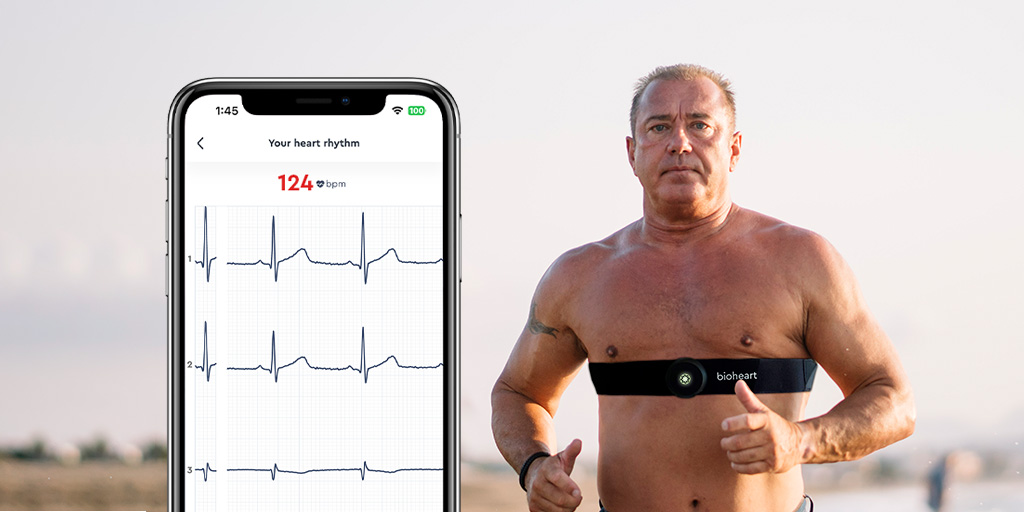
If your healthcare provider has recommended extended heart rhythm monitoring, you may wonder why monitoring outside of the clinic matters. Some heart rhythm events occur intermittently and may not be captured during a routine office visit. Modern remote cardiac monitoring devices and connected monitoring technologies allow healthcare providers to review heart rhythm information collected over longer periods while individuals continue many of their normal daily activities.
As healthcare organizations continue adopting connected care technologies, remote cardiac monitoring is becoming an important part of modern clinical workflows. Biotricity develops connected cardiac monitoring solutions, including remote cardiac monitoring software, that help healthcare providers access organized heart rhythm data collected beyond traditional care settings.
Extending Cardiac Monitoring Beyond Traditional Office Visits
Traditional healthcare appointments provide valuable information, but they represent only a single point in time. Some heart rhythm events may occur between scheduled visits, making extended monitoring an appropriate option when recommended by a healthcare provider.
A connected remote cardiac monitoring system allows healthcare providers to review heart rhythm information collected over longer monitoring periods while individuals continue many of their everyday activities. This additional information complements other clinical findings gathered during office visits.
Wearable technologies also offer greater flexibility by reducing the need for repeated in-office recordings during the prescribed monitoring period.
Wearable Technology and Ambulatory Cardiac Monitoring
Modern cardiac monitoring devices have expanded the options available for ambulatory cardiac monitoring. Lightweight designs allow individuals to wear monitoring equipment comfortably during many routine daily activities.
A heart monitoring patch provides an option for collecting heart rhythm data over an extended period while allowing individuals to maintain their regular routines. Longer monitoring periods provide healthcare providers with additional cardiac data that can be reviewed as part of an overall clinical evaluation.
Cardiac Outpatient Monitoring (COM) also supports ambulatory cardiac monitoring by providing healthcare providers with access to heart rhythm information collected throughout the prescribed monitoring period.
Together, these technologies, including wearable patches, wireless cardiac monitoring systems, and other forms of cardiac monitoring equipment, provide flexible monitoring options across all four study types used in ambulatory cardiac monitoring.
Supporting Individuals Through Connected Healthcare
Connected healthcare technologies make it easier for individuals to participate in prescribed monitoring while continuing many of their normal daily activities.
Wearable monitoring devices are designed with comfort and convenience in mind, encouraging consistent use during the recommended monitoring period. Healthcare providers receive organized heart rhythm data that can be incorporated into their overall clinical evaluation.
Biotricity continues to develop connected cardiac monitoring solutions and remote cardiac monitoring software that support ambulatory cardiac monitoring while helping organize cardiac data for healthcare providers.
The Growing Importance of Heart Rhythm Data
Connected monitoring technologies generate heart rhythm information over extended monitoring periods rather than relying solely on recordings collected during office visits.
Organized data collected throughout the monitoring period provides healthcare providers with additional information to review alongside symptoms, medical history, and other clinical findings. As digital healthcare continues to evolve, connected platforms help simplify the collection, organization, and review of cardiac monitoring data.
Expanding Access to Ambulatory Cardiac Monitoring
Connected monitoring solutions are expanding access to ambulatory cardiac monitoring for individuals in a variety of healthcare settings.
Rather than requiring multiple clinic visits for repeated recordings, wearable monitoring technologies allow heart rhythm data to be collected while individuals continue many of their normal activities. This flexibility can make extended monitoring more practical for both healthcare providers and individuals.
As connected healthcare technologies continue to evolve, remote cardiac monitoring systems are making ambulatory cardiac monitoring more accessible across diverse healthcare environments.
Looking Ahead
Wearable cardiac monitoring technologies continue to evolve as healthcare providers seek efficient ways to collect meaningful heart rhythm data outside traditional clinical settings.
Heart monitoring patches, Cardiac Outpatient Monitoring (COM), and connected remote cardiac monitoring devices are expanding the options available for ambulatory cardiac monitoring by supporting extended data collection throughout the prescribed monitoring period.
Biotricity remains focused on developing connected cardiac monitoring technologies and remote cardiac monitoring software that support healthcare providers with organized heart rhythm data. As wearable technologies continue to advance, connected monitoring solutions are expected to play an increasingly important role in ambulatory cardiac monitoring and modern healthcare workflows.
References
- American Heart Association. About Arrhythmia. https://www.heart.org/en/health-topics/arrhythmia
- National Heart, Lung, and Blood Institute (NHLBI). Arrhythmias. https://www.nhlbi.nih.gov/health/arrhythmias
- Heart Rhythm Society. Patient Resources. https://www.hrsonline.org/patient-resources